As Karen Ledbury stepped onto the stage at Telethon 2026, the Channel Seven presenter appeared full of confidence, entertaining the crowd with a performance that surprised even some of her closest supporters. But away from the spotlight, the popular television personality is living through one of the most difficult chapters of her life. After opening up about her husband Aidan’s devastating stroke, Karen has revealed why she no longer tries to push away her sadness — and the simple mantra that helps her face each new day.
The Telethon Performance That Revealed Another Side of Karen Ledbury
Karen Ledbury is known to Australian viewers as one of the familiar faces of Channel Seven, appearing on The Morning Show and Sydney Weekender.
But at Telethon 2026, she showed audiences a different side of herself.
Taking to the stage to perform Shania Twain’s hit Man! I Feel Like a Woman!, Karen stepped outside her usual television role to support a cause dedicated to helping children across Western Australia.
Her appearance drew enthusiastic reactions from those watching, including her own family and colleagues.
“So proud of you getting out of your comfort zone,” her brother Sean wrote on Instagram after the performance.
Her The Morning Show co-star Kylie Gillies also praised her, confirming that Karen had “nailed” the performance, while another fan declared: “You belong on a stage!”
The positive response suggested that the presenter had discovered a side of herself that viewers do not often see.
Yet behind the smiles, music and applause was a woman who has spent years navigating a deeply personal family struggle.
In August 2026, Karen admitted that “life is the toughest it’s ever been”.
Her Telethon appearance came against that difficult backdrop, making the moment particularly significant for a presenter who has spoken openly about learning to live with grief rather than pretending it is no longer there.

The 37 Missed Calls That Changed Her Life
Karen’s family life changed dramatically in June 2022, when her husband, Aidan, suffered a sudden and devastating stroke while she was working at a television studio in Sydney.
At the time, Aidan was 53 and had been considered exceptionally fit. The event came without warning, leaving his family facing a medical emergency they could scarcely have imagined.
Karen later recalled the frightening moment during an appearance on The Morning Show in August 2023.
The studio where she worked was surrounded by concrete buildings, making mobile phone reception unreliable. She had finished filming earlier than expected and went down to the car park, hoping to call Aidan as she usually did.
Their conversations were often about ordinary family matters — whether they needed bread or whether something had to be picked up on the way home.
But that day, she could not get a signal.
“The studio that we work in is actually like a concrete jungle, so there is no reception,” Karen explained.
“I couldn’t get any calls. I couldn’t get any texts, and we are supposed to finish at 4pm but I finished at 2pm and I went down to the car park, came back out.”
She tried restarting her phone.
What she saw next would change everything.
“Normally, I get reception on my phone and I’ll ring him and say ‘do we need bread?’ ‘Do we need to pick something up?’” she recalled.
“But I wasn’t getting reception so… I turned my phone off and turned it back on again and there were 37 missed calls from both of my eldest sons and two of my husband’s best friends.”
The calls carried news no family is ever prepared to receive.
Aidan had suffered a stroke, and doctors did not expect him to survive.
The husband Karen had spoken to as part of an ordinary day was suddenly fighting for his life.
Against the Odds, Aidan Survived — But Their Family’s Life Was Changed Forever
In the days following the stroke, Aidan underwent emergency treatment and spent three weeks in intensive care.
He survived, but the consequences of the stroke were profound.
In April 2026, during an emotional interview with The Inspired CEO, Karen revealed that her husband could no longer walk, communicate or talk. He required round-the-clock care.
The family had been forced to adjust to a reality very different from the future they had once expected.
For Karen, the challenge was not limited to the medical and practical responsibilities of caring for her husband. It also involved coming to terms with how much had changed in their relationship and family life.
She spoke candidly about Aidan’s prognosis, saying his life expectancy was not good.
“And his life expectancy is not great. But every day we just acknowledge it, but let’s make today great because that’s all you have,” she shared.
It was a painful admission, but also a glimpse into the mindset that has helped her navigate the years since the stroke.
Karen has not suggested that the difficulties have disappeared, nor has she presented herself as someone who has found an easy answer to grief.
Instead, she has spoken about learning to live with uncertainty while making the most of the moments she and her family still have together.
“You’re Always Going to Feel the Pain”
One of the most revealing parts of Karen’s reflections has been her willingness to acknowledge that sadness does not simply disappear with time.
For some people, there can be pressure to remain positive in difficult circumstances — to move forward, put on a brave face and avoid dwelling on what has been lost.
Karen has taken a different approach.
“You’re always going to feel the pain. You’re always going to feel the sadness. That doesn’t really ever go away,” she said.
“But learning how to fit it into your life – I fit grief into my life and I allow it to be there – I do sit in it a lot.”
Her words describe a form of acceptance rather than resignation: recognising that pain remains part of life without allowing it to erase every moment of joy.
“I don’t dismiss it and go, ‘okay, well let’s be happy and let’s get on with it’,” she continued.
“I sit in our issues sometimes and really process it and think about what it means.”
It is an unusually candid account of the emotional work that can accompany caring for a loved one after a life-changing medical event.
Karen has made clear that she does not expect herself to feel cheerful every day. Instead, she allows room for sadness while continuing to find meaning in her work, her relationships and the time she spends with her family.
Her honesty offers a different picture of resilience — one that does not require someone to hide their pain in order to keep going.
The Simple Mantra That Helps Her Through Each Day

Amid the uncertainty surrounding Aidan’s health, Karen has returned repeatedly to one guiding thought.
“Make today great because that’s all you have.”
The phrase has become a personal mantra, helping her concentrate on what remains possible rather than becoming overwhelmed by questions about the future.
It does not mean ignoring the seriousness of Aidan’s condition. Nor does it suggest that every day can be made easy through a change in attitude.
Instead, it reflects Karen’s determination to remain present in the life she has now.
During her interview with The Inspired CEO, she explained that she had learned to stop and appreciate the present moment.
“I think if the more you stay in the present, the more deeper relationships, the more you get out of life,” she said.
For someone living with ongoing uncertainty about a loved one’s health, that perspective can take on particular meaning.
There may be questions that cannot be answered and circumstances that cannot be changed. But the family can still value the moments they share and find ways to connect with one another.
Karen’s mantra is not a promise that everything will work out as she hopes. It is a way of approaching each day without allowing the uncertainty of tomorrow to consume today.
Why Taking to the Stage Meant More Than a Performance
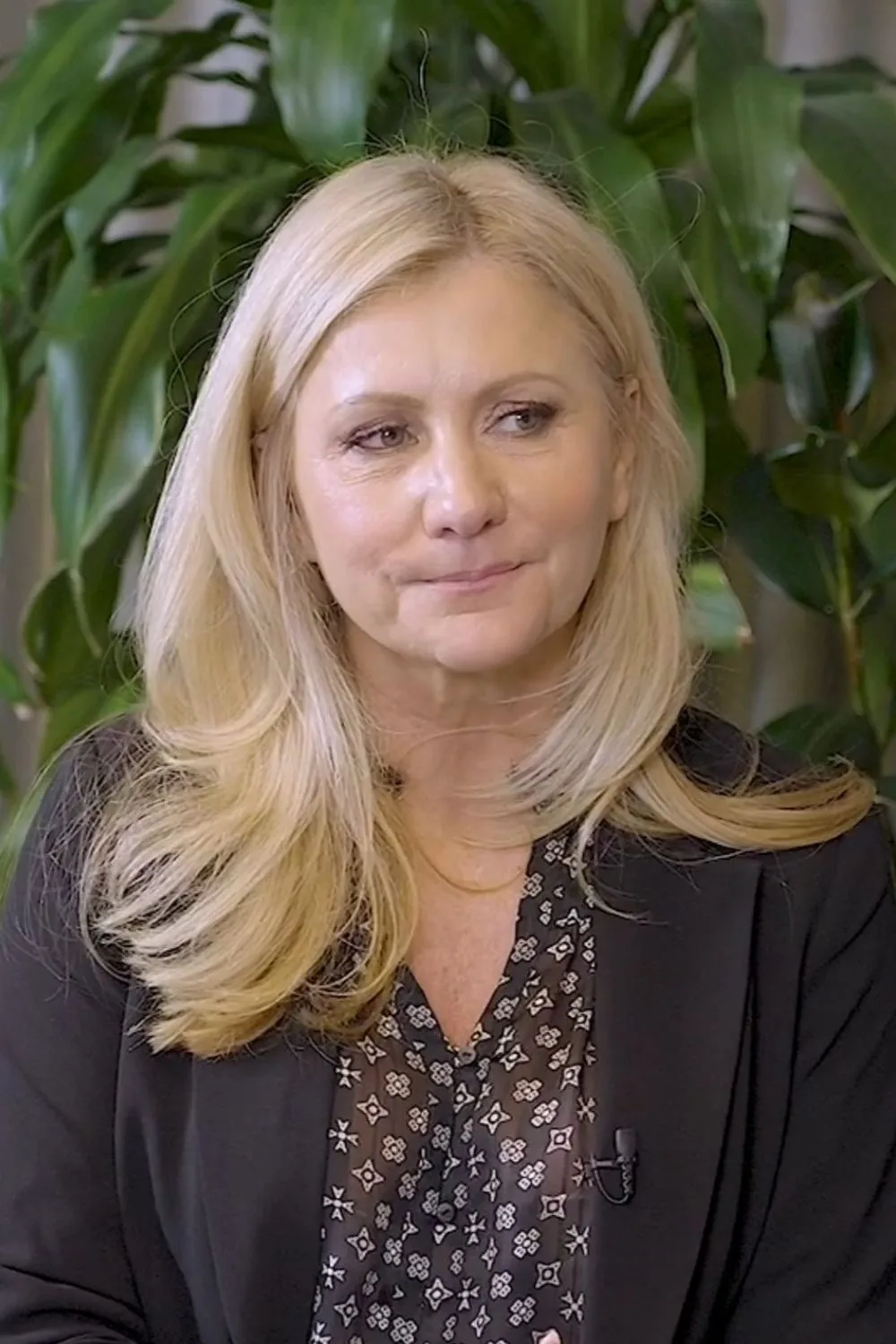
According to a source quoted by Woman’s Day, Karen’s appearance at Telethon was particularly meaningful because it gave her an opportunity to do something she genuinely enjoys while contributing to a cause that helps others.
“Karen’s spent so long juggling work and everything happening at home that having a moment on stage, doing something she genuinely loves, was incredibly special,” the source said.
“Knowing what she and Aidan have been through as a family, you can imagine how emotional it would have been.”
The source suggested that performing for Telethon allowed Karen to channel some of what she has experienced into something positive.
“There is something powerful about channelling those feelings into something positive, particularly when you’re doing it to help others.”
Those comments are the source’s interpretation of Karen’s experience, rather than a direct statement from the presenter about what the performance meant to her.
Nevertheless, they offer a possible explanation for why the appearance resonated with those who know her story.
Telethon brings together television personalities, performers and members of the Western Australian community to raise money for children in need. For Karen, taking part meant being able to contribute to a cause beyond her own family’s circumstances.
Her work also gives her opportunities to connect with colleagues and audiences, offering moments of familiarity amid the challenges of life at home.
The source told Woman’s Day that her career provides space to laugh, meet people and focus on something beyond those challenges.
“That doesn’t mean the hard days disappear, but having something familiar to return to can make a real difference,” the insider said.
Karen’s performance did not erase the difficulties she has described. But it offered a reminder that a person can carry sadness while still taking part in moments of joy and connection.
The Reaction That Revealed a New Possibility
The response to Karen’s Telethon appearance was not limited to praise for her singing.
Her brother’s message, Kylie Gillies’ enthusiastic reaction and comments from fans suggested that viewers enjoyed seeing her step into a role beyond her familiar television work.
Some even encouraged her to explore performing more often.
According to the Woman’s Day source, Karen was touched by the overwhelmingly positive response.
“It would be wonderful if she felt confident enough to explore that further, especially with so many people saying she belongs on stage,” the source said.
But the insider also suggested that Karen was not necessarily rushing to make new plans.
“I think she’s taking life one step at a time. Right now, enjoying the moment and continuing to do the things she loves might be more important than making any big plans.”
There has been no confirmed announcement that Karen intends to pursue a new career in music or stage performance.
For now, the appearance stands as a memorable moment in her work with Telethon — and an opportunity for audiences to see her confidence and personality in a different setting.
Perhaps its importance lies less in what it might mean for her career and more in the simple fact that she was able to enjoy doing something new during a challenging period of her life.
A Woman Learning to Make Room for Both Joy and Grief
Karen Ledbury’s public persona has long been associated with warmth and energy on Australian television.
But her account of Aidan’s stroke has revealed how much can happen behind the scenes of an ordinary-looking life.
There was the day she discovered 37 missed calls, the shock of learning that her husband was not expected to survive, and the years of adjusting to a future that looks very different from what their family once imagined.
There are also the realities of ongoing care, the uncertainty surrounding Aidan’s prognosis and the emotional demands that come with living through a prolonged family health crisis.
Karen has never suggested that those difficulties can simply be overcome by staying busy or smiling for the cameras.
Instead, she has spoken about allowing sadness to exist alongside the moments that still bring her happiness.
Her Telethon performance became a small but meaningful example of that approach: stepping into the spotlight, doing something she loves and helping support children across Western Australia, even while carrying significant worries at home.
The applause may have celebrated her performance, but the story behind it is more personal.
It is about a woman learning to face each day without pretending that the hard parts have disappeared.
And through it all, the words she continues to return to remain simple.
“Make today great because that’s all you have.”