Inside the MasterChef Australia Controversy: How Fan Outrage Exposed the Reality TV Emotion Machine Behind Petro Papathomas’ Finale Loss
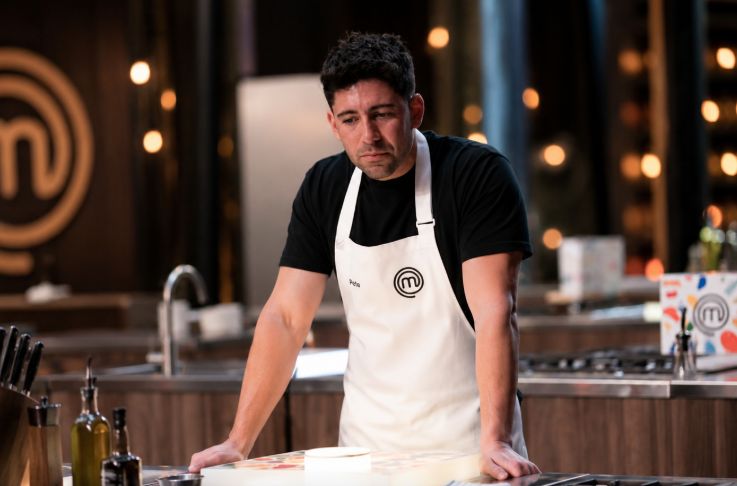
SYDNEY — The curtain has fallen on another high-stakes season of MasterChef Australia 2026, but the lingering echoes of the grand finale are drowned out by a fierce public debate concerning the mechanics of reality television production.
As the confetti settled over the kitchen bench on Sunday night, it was registered nurse Vinnie Gibaldi who secured the ultimate $250,000 victory, edging out chartered accountant Petro Papathomas.
Yet, while the official broadcast celebrated a hard-fought culinary triumph, millions of viewers at home were left questioning the human cost of the journey. In the hours following the broadcast, digital platforms erupted with fierce accusations that the program had systematically mined, packaged, and exploited Papathomas’ deeply personal grief for ratings, sparking an intense national conversation about the ethical boundaries of entertainment broadcasting.
The Anatomy of a Season: Constructing the Ultimate Narrative

From the moment the twenty-four contestants stepped into the kitchen, the structural architecture of the season relied heavily on narrative arcs that extended far beyond technical culinary execution.
Among the field, Papathomas emerged as a central figure, capturing the imagination of audiences through an extraordinary climb from the very edge of elimination to the grand finale stage. According to audience metrics, he entered the final clash as the sentimental favorite, backed by a massive wave of public support.
However, this fervent backing was intricately tied to a narrative of personal endurance that played out in real time under the unyielding glare of studio cameras.
Midway through the intense competition, Papathomas experienced a profound personal loss with the passing of his grandmother, Sophia, the foundational figure who had originally inspired his passion for cooking.

Rather than pausing to process the profound sorrow of bereavement, the contestant was thrust back into the grueling demands of a high-pressure television schedule.
Confessing later that he was navigating his grief entirely in silence without time to stop or catch his breath, Papathomas became the focal point of an editorial strategy that placed his emotional vulnerability front and center.
Critics and viewers alike were quick to point out the manner in which this personal tragedy was integrated into the broadcast. The production utilized soft piano compositions, lingering close-up shots of distress, and repeated references to his familial heritage to score every emotional beat of the season.
For a dedicated segment of the audience, the line between an authentic tribute to a beloved family member and a calculated exercise in emotional ratings manipulation had been decisively crossed.
As public discontent swelled, commentators argued that the contestant’s private mourning had been effectively weaponized to maintain viewer engagement, turning a personal family tragedy into the definitive emotional backbone of the entire television season.
The Judge’s Remark That Sparked a Firestorm
Fueling the public backlash was a remarkably candid admission from the judging panel itself, which sent shockwaves through the fandom.
Addressing the immense emotional toll exacted over the course of the competition, judge Sofia Levin offered a statement that felt unexpectedly revealing, remarking publicly that she and fellow judge Poh Ling Yeow were seeking forgiveness rather than permission from Papathomas.
The phrasing immediately triggered widespread scrutiny across digital forums, with viewers dissecting the underlying implications of an authority figure asking a contestant for absolution.
The linguistic choice became a primary flashpoint for critics who argued it laid bare the unspoken ethical compromises inherent in the production process.
If a judge felt compelled to seek forgiveness, analysts and fans reasoned, it pointed directly to the intense pressure and emotional taxation placed upon the participant behind the scenes.
This rare moment of on-air transparency suggested an underlying awareness among the production team of the heavy burden Papathomas had been asked to carry for the sake of the broadcast.
Rather than framing the season solely as a celebration of culinary excellence, the remark cemented the perception that the contestant had been subjected to an extraordinary level of emotional extraction.
Furthermore, this dynamic highlighted a recurring tension within contemporary reality television: the delicate balance between capturing compelling human stories and safeguarding the psychological well-being of individuals unaccustomed to intense media scrutiny.
When the emotional architecture of a show relies so heavily on personal suffering, the boundaries between participant and product begin to blur, leaving audiences to question whether the ultimate beneficiary of such vulnerability is the competitor or the network’s advertising revenue.
The Arithmetic of Exploitation versus Reward
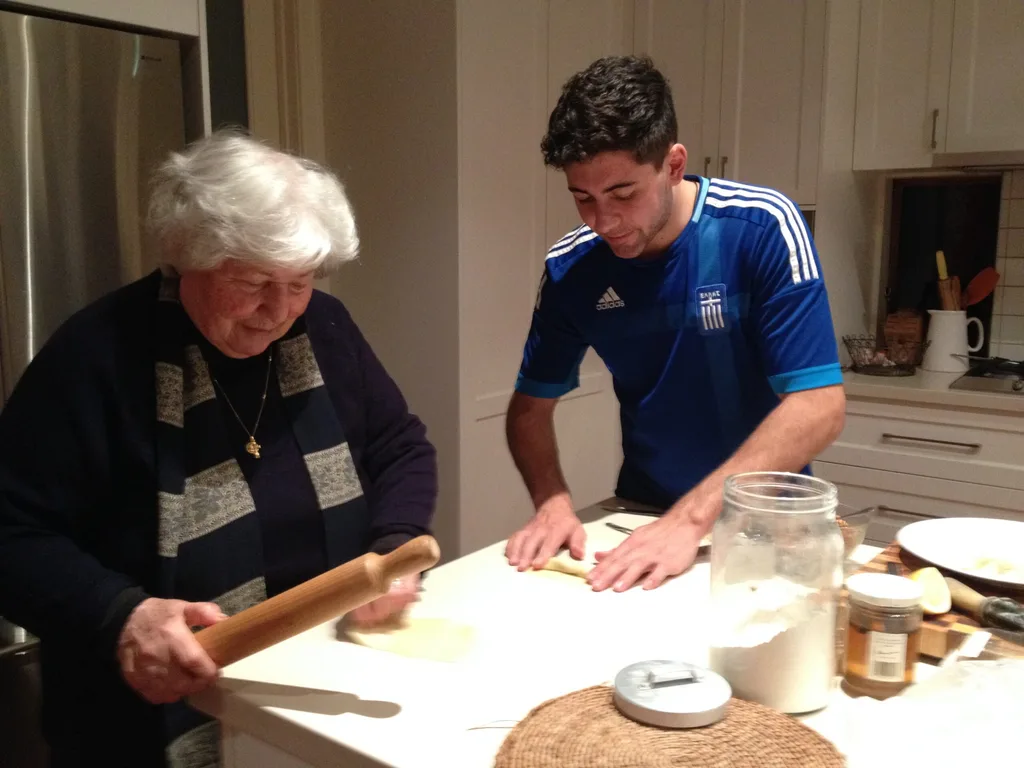
As the dust settled on the grand finale, public discourse quickly turned to the stark imbalance between the emotional investment rendered by Papathomas and the tangible rewards distributed at the conclusion of the journey.
Having carried the emotional weight of the entire season—serving as the primary narrative focal point through his underdog rise, his cultural heritage, and his silent grief—the runner-up walked away with little more than a gracious handshake, a runner-up embrace, and a highlight reel of his own pain playing out behind the credits.
Critics across social media didn’t mince words, arguing that the emotional framework of the show required a tragic undercurrent to make the ultimate winner’s triumph feel more resonant.
In this view, Papathomas functioned as the emotional catalyst for a manufactured climax, absorbing the audience’s sympathy while the ultimate prize went elsewhere.
The realization that an individual’s most vulnerable moments could be utilized to drive engagement, sell advertising space, and secure ratings—only for the participant to return to everyday life without the championship title—triggered a profound wave of protective empathy from the viewing public.
Yet, throughout the whirlwind of post-finale commentary, Papathomas maintained an unwavering composure.
Eschewing public bitterness or recrimination, he chose to exit the competition with the same quiet grace that had characterized his entire tenure on the program.
By refusing to engage in public disputes, his silence paradoxically amplified the criticisms leveled by his supporters, leaving the audience to articulate the grievances he chose not to voice himself.
The Broader Implications for Reality Television

The controversy surrounding Papathomas’ journey on MasterChef Australia serves as a critical case study in the evolving relationship between television production companies and reality show participants.
As audiences become increasingly sophisticated, their ability to decode editorial manipulations has grown sharper. Viewers no longer consume these programs as unvarnished reality; instead, they recognize the calculated construction of narratives, heroes, and emotional arcs designed to maximize viewer retention.
When a production leans too heavily into personal tragedy, it risks alienating an audience that values fair competition above manufactured drama.
The backlash in this instance demonstrates a shifting cultural expectation—one that demands greater ethical responsibility from broadcasters regarding how they handle real-life trauma and grief within an entertainment format.
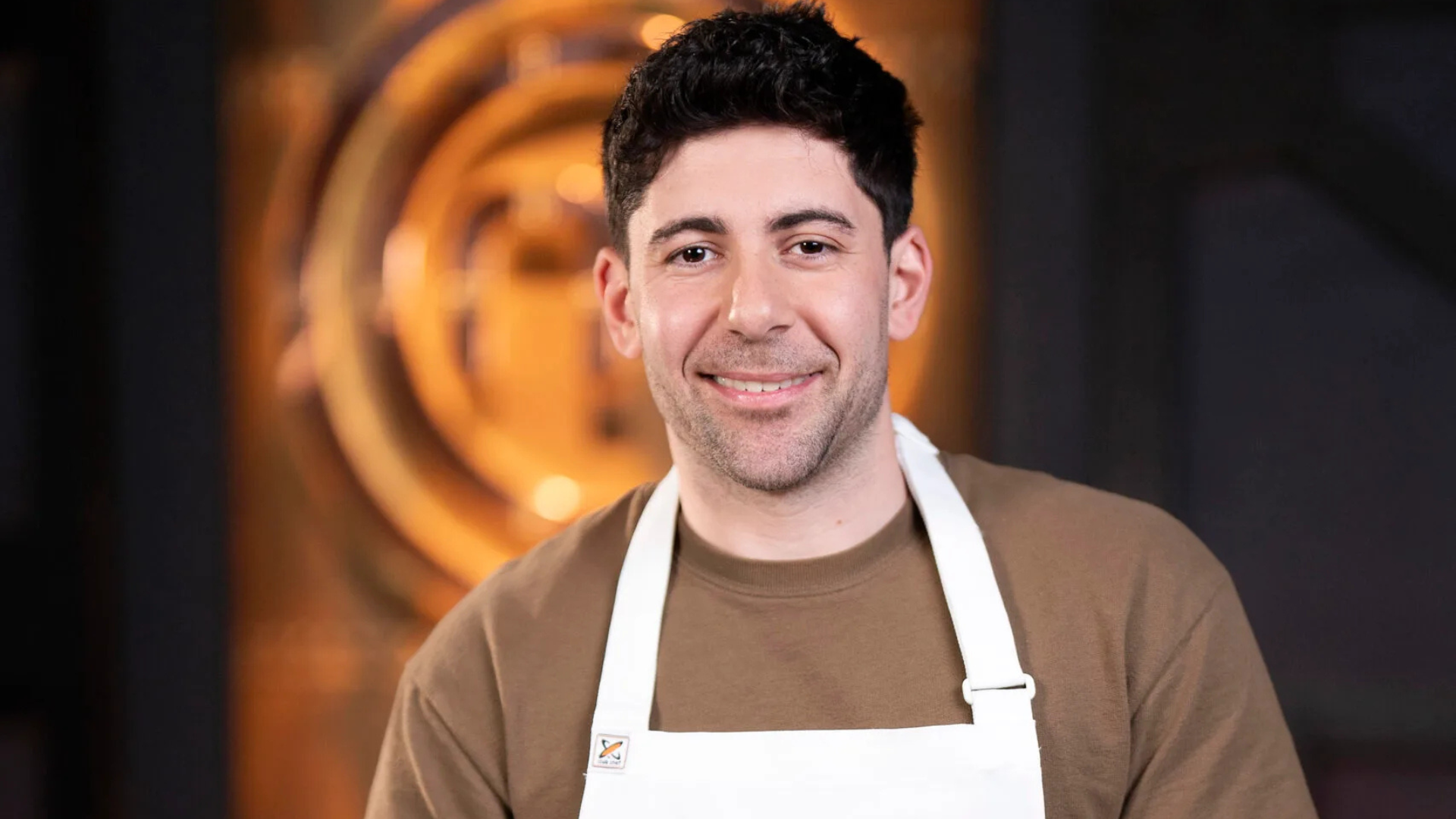
The public’s fierce defense of Papathomas signals a collective weariness toward emotional exploitation, establishing a clear boundary where manufactured storytelling collides with genuine human dignity.
As the industry looks toward future seasons, the legacy of this year’s competition will likely extend far beyond the culinary creations served on the finale bench. It stands as a reminder that while television must entertain, the individuals who bare their souls on screen deserve a standard of care that transcends simple ratings metrics.
For Petro Papathomas, the path forward involves returning to his culinary pursuits, processing his grief away from the relentless gaze of production cameras, and reclaiming a narrative that was briefly commandeered by the machinery of prime-time television.
Ultimately, the season will be remembered not merely for who took home the trophy, but for the profound conversation it sparked about the true cost of television entertainment.